understanding Autism
Autism Spectrum Disorder (ASD) is a lifelong neuro-developmental condition with a wide range of presentations and support needs. Individuals with ASD may experience differences involving:
Every individual with ASD is different, which is why generalized assumptions about symptoms, abilities, or treatment approaches are often not appropriate.
What causes Autism
Autism Spectrum Disorder is believed to involve a combination of:
Genetic Factors
Neurologic Development
Immune and Inflammatory Pathways
Environmental Influences
Metabolic and Biologic Factors
Researchers continue studying how inflammation, immune signaling, oxidative stress, and neurologic communication pathways may interact in some individuals with ASD. Scientific understanding continues to evolve, and no single cause has been identified.

signs & symptoms of Autism
Depending on the individual, signs may include:
sensory sensitivity
communication differences
repetitive behaviors
difficulty with transitions
social interaction challenges
emotional regulation difficulties
focused or repetitive interests
cognitive or processing variability
Presentations vary widely between individuals.
Why Autism matters
ASD can influence:
Many families explore supportive therapies, wellness optimization, and neurologic health strategies to help improve overall function and wellbeing.
How We approach Autism
treatment options for Autism

Exosome Therapy Evaluation for Autism Spectrum Disorder
What This Evaluation Is Autism Spectrum Disorder is a complex neurodevelopmental condition with highly individualized presentations, support needs, and medical…
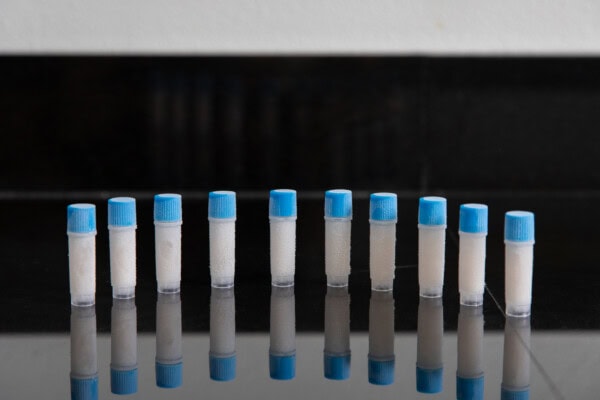
IV Stem Cell & Exosome Infusions Gig Harbor
Systemic biologic infusion therapies designed to support recovery, wellness, performance, and whole-body regenerative goals.
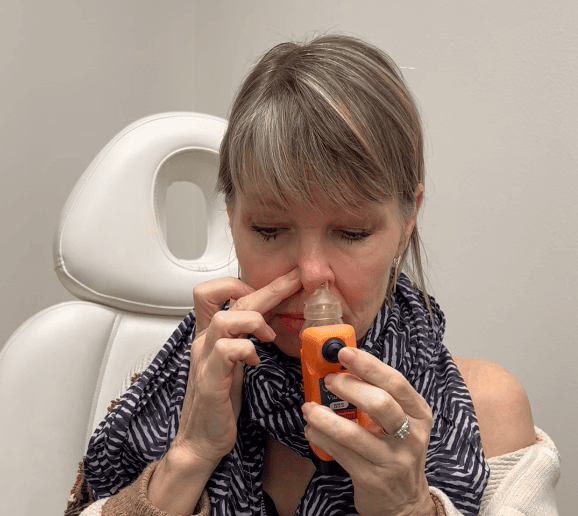
Nebulized Exosome Therapy Gig Harbor
Exosome-based respiratory delivery protocols used in selected regenerative wellness applications.
faqs about Autism
Is Autism Spectrum Disorder curable?
ASD is considered a lifelong neurodevelopmental condition. Support strategies are individualized.
Are stem cells or exosomes FDA-approved for Autism Spectrum Disorder?
No. These therapies are not FDA-approved for ASD treatment.
Why do some families explore regenerative medicine?
Some individuals explore regenerative medicine because of ongoing research involving inflammation, immune signaling, and neurologic wellness.
Does consultation mean treatment will be recommended?
No. Many individuals are advised that regenerative therapies are not appropriate for their situation.
Still got questions?

More Concerns

Brain Fog
Mental fatigue, slowed thinking, reduced focus, and difficulty with clarity or concentration.

Age Related Memory Impairment
Changes in memory, recall, and cognitive sharpness associated with aging and neurologic wellness.

Traumatic Brain injury
Persistent cognitive, neurologic, or recovery-related symptoms following concussion or brain injury.

Let’s Start With a Conversation
Schedule a consultation to discuss Autism Spectrum Disorder, neurologic wellness concerns, and whether regenerative medicine topics are appropriate to review within your medical situation.