understanding Traumatic Brain injury
Traumatic brain injury (TBI) refers to injury-related disruption of normal brain function caused by:
Symptoms may persist for weeks, months, or longer depending on:

What causes Traumatic Brain injury
Brain injuries may involve:
Inflammatory Responses
Post Surgical Consequence
Brain Trauma
Neurologic Signaling Disruption
Vascular Changes
Cellular Injury Pathways
Researchers continue studying how inflammation and cellular signaling influence neurologic recovery and long-term cognitive symptoms following TBI.

signs & symptoms of Traumatic Brain injury
Brain fog
Ataxia ( lack of coordination)
Temperature dysregulation
Memory difficulty
Migraine Headaches
Light sensitivity
Fatigue
Sensory sensitivity
Why Traumatic Brain injury matters
Persistent neurologic symptoms may affect:
Some individuals seek additional recovery support strategies when symptoms remain ongoing.

How We approach Traumatic Brain injury
treatment options for Traumatic Brain injury
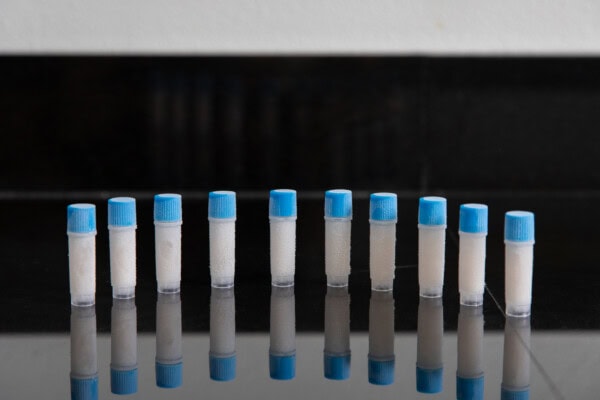
IV Stem Cell & Exosome Infusions Gig Harbor
Systemic biologic infusion therapies designed to support recovery, wellness, performance, and whole-body regenerative goals.
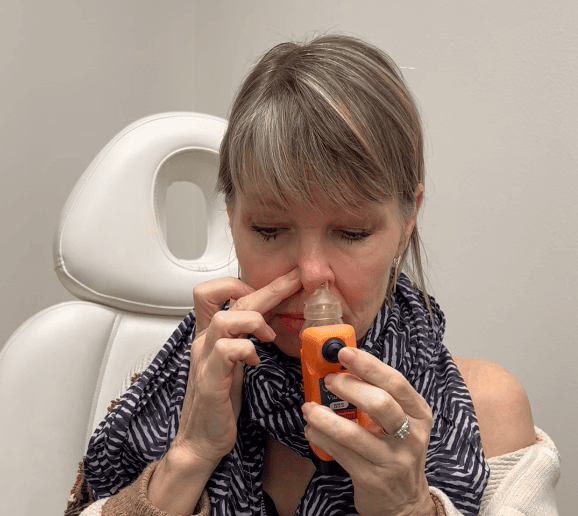
Nebulized Exosome Therapy Gig Harbor
Exosome-based respiratory delivery protocols used in selected regenerative wellness applications.

PRP Medical Treatments Gig Harbor
Platelet-rich plasma therapies using your body’s own growth factors to support healing, tissue response, and regenerative signaling.
faqs about Traumatic Brain injury
What is considered a traumatic brain injury?
TBI ranges from mild concussions to more significant neurologic injuries.
Can symptoms persist long after injury?
Yes. Some individuals experience prolonged symptoms involving cognition, fatigue, mood, and neurologic function.
Are stem cells and exosomes approved treatments for TBI?
These therapies remain investigational for neurologic applications and are not FDA-approved treatments for traumatic brain injury.
Is consultation required before discussing regenerative medicine?
Yes. Physician evaluation is important because neurologic conditions are highly individualized.
Still got questions?

More Concerns

Brain Fog
Mental fatigue, slowed thinking, reduced focus, and difficulty with clarity or concentration.

Autism
Exploring regenerative medicine discussions within the context of neurodevelopmental and inflammatory health considerations.

Age Related Memory Impairment
Changes in memory, recall, and cognitive sharpness associated with aging and neurologic wellness.

Let’s Start With a Conversation
Schedule a consultation to discuss traumatic brain injury symptoms, neurologic wellness concerns, and whether regenerative medicine discussions may be appropriate in your recovery process.