understanding Reduced Mobility
Reduced mobility refers to limitations in movement quality, flexibility, coordination, or joint function. This may affect:
Mobility changes often develop gradually over time.

What causes Reduced Mobility
Reduced mobility may be associated with:
Joint degeneration
Inflammation
Aging
Previous Injuries
Chronic Pain
Autoimmune Disease
Muscle Imbalances
Inactivity
Tissue Stiffness
Recovery capacity and tissue quality also influence long-term movement.

signs & symptoms of Reduced Mobility
Stiffness with movement
Difficulty bending or reaching
Reduced exercise tolerance
Slower recovery
Feeling less physically capable
Tightness or restricted motion
Why Reduced Mobility matters
Mobility loss can affect:

How We approach Reduced Mobility
treatment options for Reduced Mobility
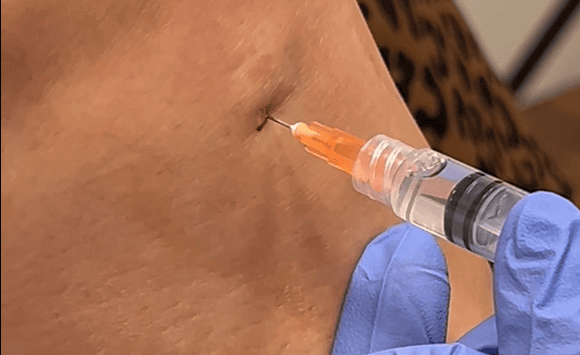
Stem Cell & Exosome Joint Injections Gig Harbor
Localized regenerative medicine protocols commonly used for joints, orthopedic wellness, mobility, and inflammation support.

PRP Medical Treatments Gig Harbor
Platelet-rich plasma therapies using your body’s own growth factors to support healing, tissue response, and regenerative signaling.
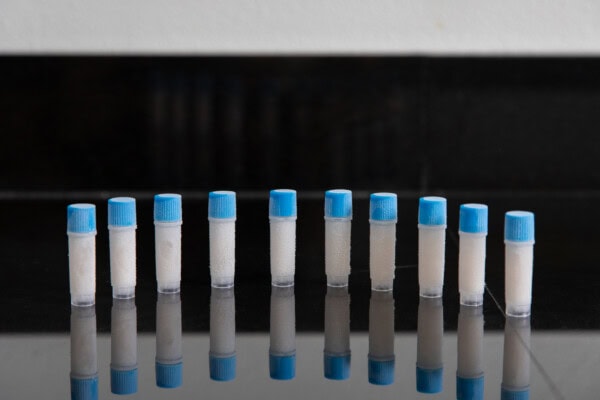
IV Stem Cell & Exosome Infusions Gig Harbor
Systemic biologic infusion therapies designed to support recovery, wellness, performance, and whole-body regenerative goals.
insights & Guidance for Reduced Mobility
Understand the science, process, and outcomes behind this treatment through clear, educational content.

What to Expect During Your Stem Cell Therapy Appointment at Nuvo Med
Stem cell therapy is an innovative, natural approach to healing that uses your body’s regenerative cells to repair damaged tissue,…

Why I’m Paying Closer Attention to Bone Health After 50
Over the years I’ve had many conversations with patients about skin, hormones, weight, and overall wellness. One topic that doesn’t…
faqs about Reduced Mobility
Is reduced mobility always caused by aging?
No. Injuries, inflammation, recovery issues, and lifestyle factors can all contribute.
Can regenerative therapies support mobility?
In some cases, regenerative approaches may help support tissue recovery and function.
What are exosomes used for?
Exosomes are regenerative signaling components commonly explored in recovery and tissue-support therapies.
Still got questions?

More Concerns

Joint Pain
Discomfort, stiffness, decreased range of motion, joint pain or inflammation affecting movement and daily activities.

Fatigue
Ongoing low energy, reduced stamina, or difficulty recovering physically and mentally.

Auto Immune disease
The rationale is to eradicate auto reactive immunological memory thereby resetting the immune system and generating new self tolerant T…

Let’s Start With a Conversation
Schedule a consultation to explore regenerative wellness options for mobility and recovery support.