
What This Treatment Is
Ketamine was first developed as an anesthetic. At much lower, sub-anesthetic doses, it is used to help calm the pain pathways in the nervous system for patients with severe chronic pain that has not responded to standard treatment.
At Nuvo Med, ketamine therapy is physician-supervised and given in a monitored clinical setting. It is an advanced option for carefully selected patients, not a first-line treatment.
It is commonly discussed for individuals with:
- Diabetic Neuropathy
- Post-Herpetic Neuralgia
- Phantom Limb Pain
- Spinal Cord Injury Nerve Pain
- Complex Regional Pain Syndrome (CRPS)
At Nuvo Med, Ketamine therapy is approached through:
- Physician Evaluation
- Pain History Review
- Medical Screening
- Individualized Treatment Plan
- Monitored In-Clinic Treatment
Treatment is not automatically recommended based on a diagnosis alone. Medical evaluation helps determine whether ketamine is appropriate based on:
- Response to Previous Treatments
- Medical History
- Heart and Blood Pressure Health
- Mental Health History
- Current Medications
What It Treats
Ketamine therapy may be considered for neuropathic pain, which comes from damage to the nerves that carry sensation. This type of pain is often described as burning, shooting, stabbing or electric, and it can be hard to treat with standard pain medication.
Common symptoms may include:
- Burning or Shooting Nerve Pain
- Stabbing or Electric Sensations
- Pain From Light Touch or Temperature
- Numbness or Tingling With Pain
- Pain That Persists Despite Medication
Some individuals seek evaluation because they:
- Have Not Found Relief With Standard Pain Medication
- Have Tried Nerve Pain Medications Without Enough Benefit
- Want to Reduce Reliance on Opioid Pain Relief
- Have Pain Affecting Sleep, Work or Daily Life
- Want a Physician-Guided Option for Long-Term Nerve Pain
See the Treatment in Practice

How It Works
Long-term nerve pain can lead to central sensitization. In this state, the nervous system stays on high alert and amplifies pain signals. Glutamate, the brain’s main excitatory messenger, drives much of this process by overstimulating NMDA receptors.
Ketamine blocks NMDA receptors. This may help interrupt the “wind-up” that keeps pain signals amplified. Ketamine also acts on other pathways involved in pain signaling, including sodium, potassium and calcium channels, which is one reason it is being studied for pain that has not responded to other treatments.


The Treatment Experience
There is no single standard protocol, so your plan is tailored to your condition and history.
IV infusion
The most studied method for chronic nerve pain. Infusions are given in our clinic with ongoing monitoring.
Intranasal ketamine
May be considered in selected cases for breakthrough pain, under medical guidance.
Side effects are usually short-lived and wear off soon after treatment. They may include feeling detached or dreamlike, mild confusion, a temporary rise in heart rate and blood pressure, nausea or dizziness.
Because ketamine has psychoactive effects, every treatment is prescribed, given and monitored by our medical team. You will need someone to drive you home after treatment.

Related Concerns

insights & Guidance for KETAMINE THERAPY
Understand the science, process, and outcomes behind this treatment through clear, educational content.

Frequently asked questions
Is ketamine FDA approved for chronic pain?
Ketamine is FDA approved as an anesthetic. Its use for chronic pain is off-label, which means it is prescribed outside its approved use based on clinical evidence and physician judgment. Your provider will discuss this with you.
Is a consultation required?
Yes. Every patient has a full medical review before treatment to make sure ketamine is safe and appropriate.
Will I be awake during treatment?
Yes. At the low doses used for pain, you stay awake. You may feel relaxed or detached while the medication is active.
How many treatments will I need?
This depends on your condition and how you respond. Your provider will build a plan with you and review your progress.
Is there downtime?
You should not drive for the rest of the day after treatment, and you will need someone to take you home. Most people return to normal activities the next day.
Still got questions?

More Treatments
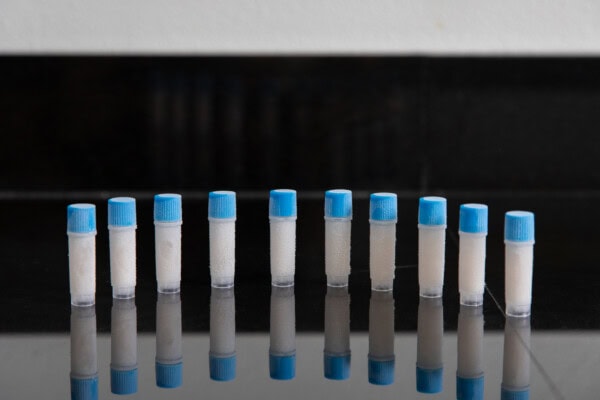
IV Stem Cell Infusions Gig Harbor
Systemic biologic infusion therapies designed to support recovery, wellness, performance, and whole-body regenerative goals.

PRP Medical Treatments Gig Harbor
Platelet-rich plasma therapies using your body’s own growth factors to support healing, tissue response, and regenerative signaling.
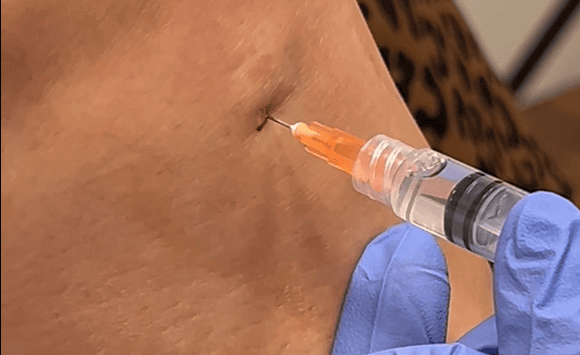
Stem Cell Joint Injections Gig Harbor
Localized regenerative medicine protocols commonly used for joints, orthopedic wellness, mobility, and inflammation support.

Reclast Infusion Therapy Gig Harbor
Physician-guided infusion therapy used in appropriate bone-health and osteoporosis-related treatment settings.

Start With a
Professional Assessment
If chronic nerve pain is limiting your life, book a consultation at Nuvo Med to find out whether ketamine therapy is right for you.
THIS NOTICE MUST BE PROVIDED TO YOU UNDER WASHINGTON LAW. This health care practitioner performs one or more stem cell therapies that have not yet been approved by the United States food and drug administration. You are encouraged to consult with your primary care provider prior to undergoing a stem cell therapy