
What This Treatment Is
Reclast is an intravenous infusion of zoledronic acid used in medical bone health management.
It is commonly discussed for individuals with:
- Osteoporosis
At Nuvo Med, Reclast therapy is approached through:
- Physician Evaluation
- Bone Health Assessment
- Laboratory Screening
- Individualized Risk Analysis
- Long-term prevention planning
Treatment is not automatically recommended based solely on age or a single bone density result. Medical evaluation helps determine whether Reclast is appropriate based on:
- Fracture Risk
- Medical History
- Laboratory Values
- Long-Term Health Goals
What It Treats
Reclast infusion therapy may be considered for:
- Any patient between 50-60 years old who wants to lower the risk of Osteoporotic Fracture
- Bone Density Decline
- Postmenopausal Bone Loss
- Fracture Prevention Planning
- Long-Term Skeletal Health Support
Some individuals seek evaluation because they:
- Have Family History of Osteoporosis
- Are Entering Menopause
- Have Early Bone Density Changes
- Want Proactive Long-Term Bone Health Strategies
See the Treatment in Practice
How It Works
Reclast contains zoledronic acid, a medication used to slow excessive bone breakdown. Bone tissue constantly undergoes remodeling through:
As estrogen levels decline with age and menopause, bone loss can accelerate in some individuals. Reclast works by helping reduce excessive bone resorption activity, which may help:
Clinical research has explored how zoledronic acid influences fracture prevention and bone density preservation in postmenopausal women.


A consultation and laboratory evaluation are required before treatment is considered.
The Treatment Experience
Before
Consultation includes:
- laboratory review
- medication and supplement review
- fracture risk evaluation
- assessment of medical history and health goals
Screening commonly includes:
- kidney function evaluation
- vitamin D status
- calcium levels
- magnesium and phosphate review
During
Treatment is performed in-office through IV infusion.
Most appointments take approximately:
- 45–60 minutes total
Patients remain seated comfortably during the infusion process.
After
Most individuals resume normal activities the same day.
Some people may experience temporary:
- fatigue
- body aches
- mild flu-like symptoms
- headache
during the first several days after infusion.
Supplement support and follow-up recommendations are individualized based on:
- laboratory findings
- bone density
- medical profile

Related Concerns

insights & Guidance for Reclast
Understand the science, process, and outcomes behind this treatment through clear, educational content.

Frequently asked questions
Can Reclast help reduce fracture risk?
Reclast (zoledronic acid) has been studied extensively for its role in reducing fracture risk in appropriate patients. If you’re interested in the clinical evidence, we recommend reading a recent study published in the New England Journal of Medicine examining fracture prevention with infrequent zoledronate treatment in women ages 50 to 60.
Do I need a consultation before receiving Reclast?
Yes. Reclast infusion therapy requires physician evaluation and laboratory review before treatment.
Is Reclast only used for osteoporosis?
Not always. Some individuals pursue evaluation for osteopenia or preventive bone health support before osteoporosis develops.
How often is Reclast administered?
Treatment intervals vary based on:
- bone density
- laboratory findings
- fracture risk
- physician recommendations
Are supplements required before treatment?
Vitamin D and calcium support are commonly reviewed before and after infusion therapy.
Will I need downtime afterward?
Most individuals return to normal activities the same day, though temporary mild flu-like symptoms may occur.
Still got questions?

More Treatments

Exosome Therapy Evaluation for Autism Spectrum Disorder
What This Evaluation Is Autism Spectrum Disorder is a complex neurodevelopmental condition with highly individualized presentations, support needs, and medical…
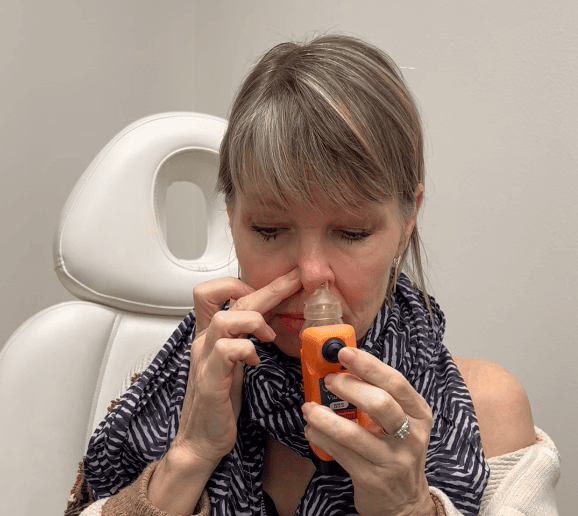
Nebulized Exosome Therapy Gig Harbor
Exosome-based respiratory delivery protocols used in selected regenerative wellness applications.
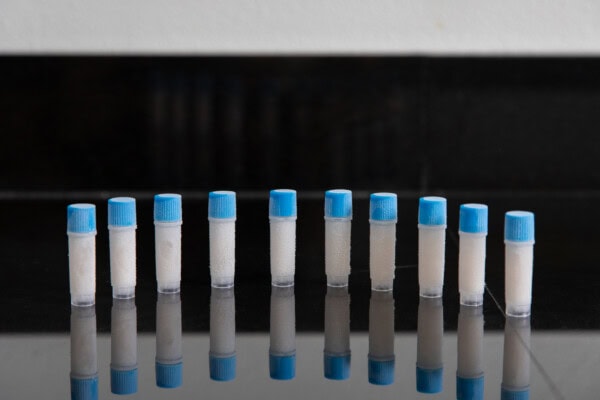
IV Stem Cell & Exosome Infusions Gig Harbor
Systemic biologic infusion therapies designed to support recovery, wellness, performance, and whole-body regenerative goals.

PRP Medical Treatments Gig Harbor
Platelet-rich plasma therapies using your body’s own growth factors to support healing, tissue response, and regenerative signaling.
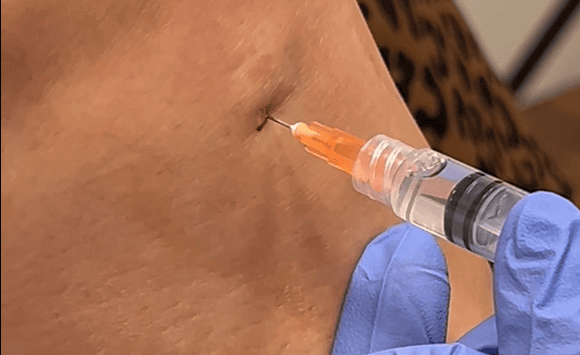
Stem Cell & Exosome Joint Injections Gig Harbor
Localized regenerative medicine protocols commonly used for joints, orthopedic wellness, mobility, and inflammation support.

Start With a
Professional Assessment
Schedule a consultation to evaluate your bone density, fracture risk, and whether Reclast infusion therapy may be appropriate for your long-term bone health goals.
THIS NOTICE MUST BE PROVIDED TO YOU UNDER WASHINGTON LAW. This health care practitioner performs one or more stem cell therapies that have not yet been approved by the United States food and drug administration. You are encouraged to consult with your primary care provider prior to undergoing a stem cell therapy