
What This Treatment Is
Stem cell and exosome joint injections are regenerative medicine therapies involving the targeted injection of biologic materials into joints, tendons, ligaments, or surrounding soft tissues.
These treatments are used within physician-guided regenerative protocols focused on:
- Orthopedic Wellness
- Tissue Support
- Inflammation Modulation
- Mobility Preservation
- Recovery Optimization
Stem cells and exosomes are biologic signaling components involved in:
- Cellular Communication
- Inflammatory Regulation
- Tissue Repair
- Regenerative Signaling Mechanisms
Exosomes contain:
- Proteins
- Growth-Related Signaling Molecules
- Peptides
- RNA Communication Factors
While stem cell therapies involve biologic cells being studied for their role in regenerative medicine and tissue-support pathways. At Nuvo Med, regenerative joint injections are approached through individualized medical evaluation, imaging review, functional assessment, and physician oversight rather than standardized injection protocols.
What It Treats
Stem cell and exosome joint injections may be considered for:
- Knee Osteoarthritis
- Hip Osteoarthritis
- Shoulder Degeneration
- Rotator Cuff Tears
- Tendon Inflammation
- Ligament Strain
- Meniscal Injury
- Chronic Overuse Injuries
- Joint Discomfort and Stiffness
- Reduced Mobility
Treatment appropriateness depends on:
- Imaging Findings
- Structural Integrity
- Severity of Degeneration
- Inflammation Patterns
- Overall Health Status
- Response to Conservative Care
See the Treatment in Practice
How It Works
Stem cells and exosomes contain signaling molecules that may influence how the body responds to inflammation, tissue stress, and injury. Researchers continue studying how these biologic therapies may interact with:
The goal of regenerative joint injections is to support the body’s own repair and recovery processes within the targeted treatment area.
Some regenerative medicine protocols also aim to help:
Research involving mesenchymal stem cells and osteoarthritis continues to evolve, with ongoing laboratory and clinical investigation into how biologic signaling influences cartilage and surrounding tissues.
Current Research
Regenerative medicine for osteoarthritis continues to be an active area of clinical research. If you’re interested in learning more about the current evidence, we encourage you to read this comprehensive review of mesenchymal stem cells and osteoarthritis therapy, which summarizes laboratory research, clinical studies, potential benefits, limitations, and areas requiring further investigation.
Read the research review: Mesenchymal Stem Cells in Osteoarthritis Therapy →


A consultation helps determine whether regenerative therapy is medically reasonable and whether alternative approaches may be more appropriate.
The Treatment Experience
Before
Consultation includes:
- Orthopedic History Review
- Physical Examination
- Imaging Review When Available
- Medication and Supplement Review
- Discussion of Functional Limitations and Goals
Screening may also involve:
- Inflammation Assessment
- Evaluation of Prior Treatments
- Review of Underlying Medical Conditions
- Activity and Mobility Discussion
During
Treatment is performed in-office under physician supervision.
The targeted joint or tissue area is prepared and injected using regenerative biologic materials selected for the treatment protocol.
Some injections may involve imaging guidance depending on:
- Treatment Location
- Anatomy
- Precision Requirements
Most procedures are relatively quick and well tolerated.
After
Temporary:
- Soreness
- Stiffness
- Swelling
- Inflammatory Flare Response
May occur after treatment.
Activity modification recommendations vary depending on:
- The Joint Treated
- Tissue Involvement
- Treatment Intensity
- Overall Orthopedic Condition
Recovery timelines vary significantly between individuals.
Results & Expectations
Patient Reviews
I can’t believe it happened so quickly! I have not been able to kneel in a year and I’ve been kneeling on my full knee. I have even started walking with my daughter, and have not been able to do that in over a year either. So excited to see how this continues to heal me.
A.G.
*Individual results may vary and are not guaranteed.
Related Concerns

Joint Pain
Discomfort, stiffness, decreased range of motion, joint pain or inflammation affecting movement and daily activities.

Reduced Mobility
Loss of flexibility or physical function over time.

Auto Immune disease
The rationale is to eradicate auto reactive immunological memory thereby resetting the immune system and generating new self tolerant T…
insights & Guidance for Stem Cell & Exosome Joint Injections
Understand the science, process, and outcomes behind this treatment through clear, educational content.

Frequently asked questions
What are stem cell and exosome joint injections?
These are regenerative medicine therapies involving biologic materials used within physician-guided orthopedic and recovery-focused protocols.
Can regenerative injections regrow cartilage?
Research into cartilage biology and regenerative medicine continues to evolve, but no specific outcome can be guaranteed.
Are these injections appropriate for severe arthritis?
Not always. Treatment appropriateness depends on imaging findings, severity, and overall orthopedic condition.
Is imaging required before treatment?
Imaging is often helpful for evaluating structural changes and determining treatment appropriateness.
How long does recovery take?
Recovery timelines vary depending on:
- the joint treated
- severity of degeneration
- activity level
- individual biologic response
Still got questions?

More Treatments

Exosome Therapy Evaluation for Autism Spectrum Disorder
What This Evaluation Is Autism Spectrum Disorder is a complex neurodevelopmental condition with highly individualized presentations, support needs, and medical…
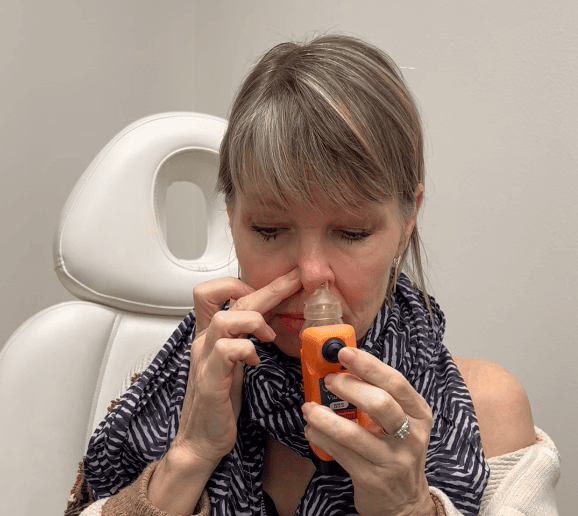
Nebulized Exosome Therapy Gig Harbor
Exosome-based respiratory delivery protocols used in selected regenerative wellness applications.
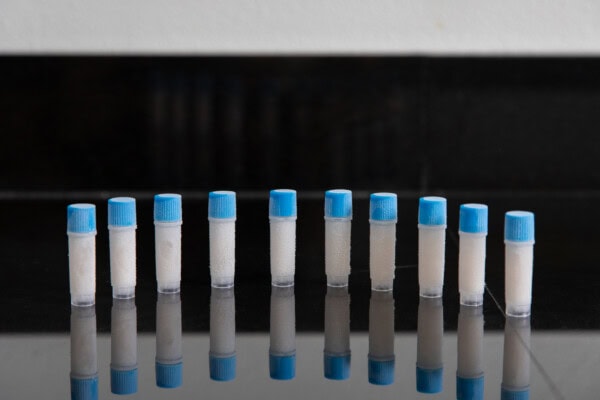
IV Stem Cell & Exosome Infusions Gig Harbor
Systemic biologic infusion therapies designed to support recovery, wellness, performance, and whole-body regenerative goals.

PRP Medical Treatments Gig Harbor
Platelet-rich plasma therapies using your body’s own growth factors to support healing, tissue response, and regenerative signaling.

Reclast Infusion Therapy Gig Harbor
Physician-guided infusion therapy used in appropriate bone-health and osteoporosis-related treatment settings.

Start With a
Professional Assessment
Schedule a consultation to discuss stem cell and exosome joint injections, regenerative orthopedic therapies, and whether biologic treatment options may be appropriate for your mobility, recovery, or joint wellness goals.
THIS NOTICE MUST BE PROVIDED TO YOU UNDER WASHINGTON LAW. This health care practitioner performs one or more stem cell therapies that have not yet been approved by the United States food and drug administration. You are encouraged to consult with your primary care provider prior to undergoing a stem cell therapy